
Non-Tariff Measures (NTMs)
A Complete Guide for Businesses, Importers & Exporters | Vidhi Veritas LLP
International trade is influenced not only by customs duties but also by a wide range of regulations, standards, certifications, and licensing requirements. These measures are known as Non-Tariff Measures (NTMs) and play a significant role in determining whether products can enter a country's market.
For businesses engaged in imports and exports, understanding NTMs is essential for ensuring regulatory compliance, avoiding shipment delays, and accessing international markets efficiently.
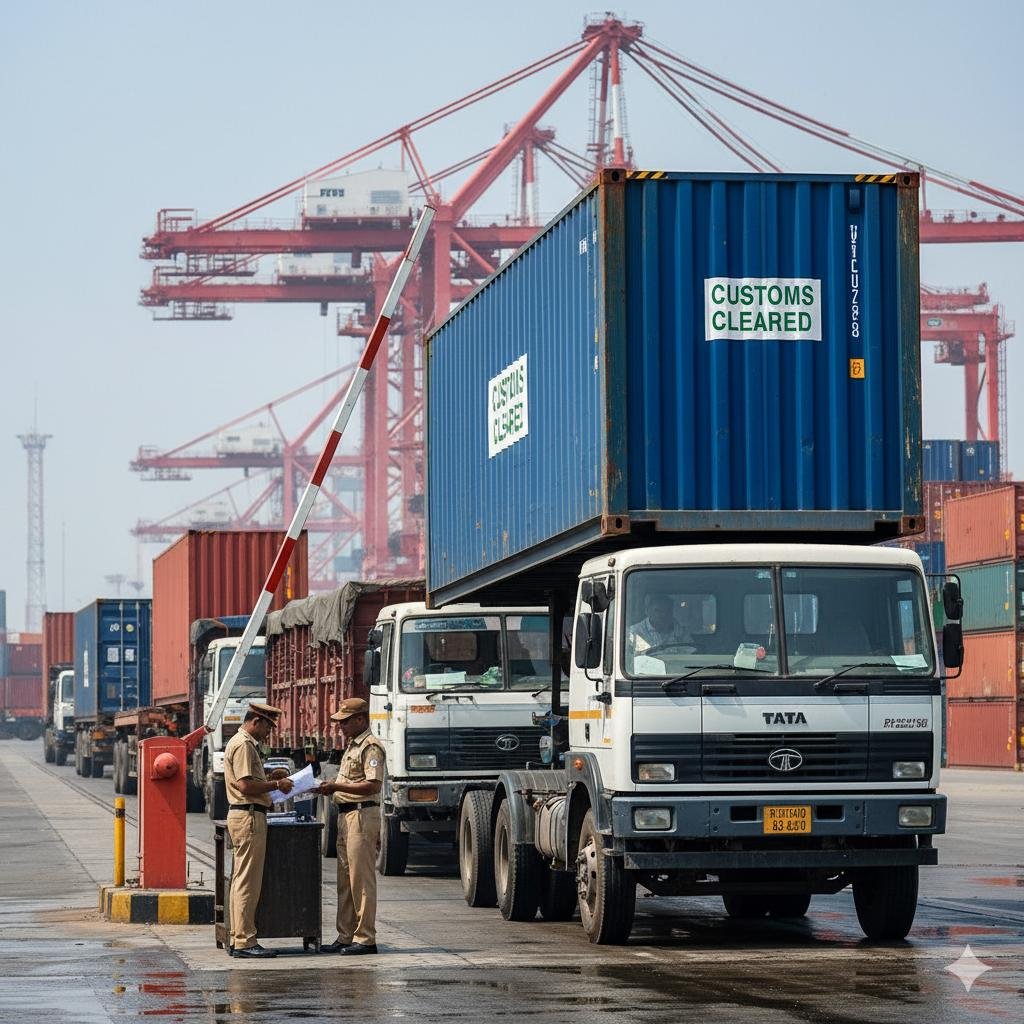
What Are Non-Tariff Measures (NTMs)?
Non-Tariff Measures (NTMs) are policy measures other than customs tariffs that can affect the movement of goods across international borders. They are introduced by governments to protect public health, safety, the environment, national security, and consumer interests while regulating international trade.
Unlike tariffs, NTMs do not directly increase the import duty on goods. Instead, they establish conditions that products must satisfy before they can be imported, exported, or sold in a market.
Common objectives of NTMs include:
-
Protecting human, animal, and plant health.
-
Ensuring product quality and safety.
-
Maintaining environmental standards.
-
Supporting consumer protection and national security.
-
Regulating imports and exports through licensing or technical requirements.
Why Are Non-Tariff Measures Important in International Trade?
Non-Tariff Measures have become increasingly important as countries adopt stricter product standards and regulatory requirements. Businesses must comply with these measures to avoid customs delays, penalties, product recalls, or restrictions on market access.
NTMs help governments:
-
Maintain product safety standards.
-
Prevent the spread of harmful diseases and pests.
-
Ensure imported goods comply with domestic regulations.
-
Promote fair and transparent trade practices.
For businesses, compliance with NTMs is often as important as paying customs duties.
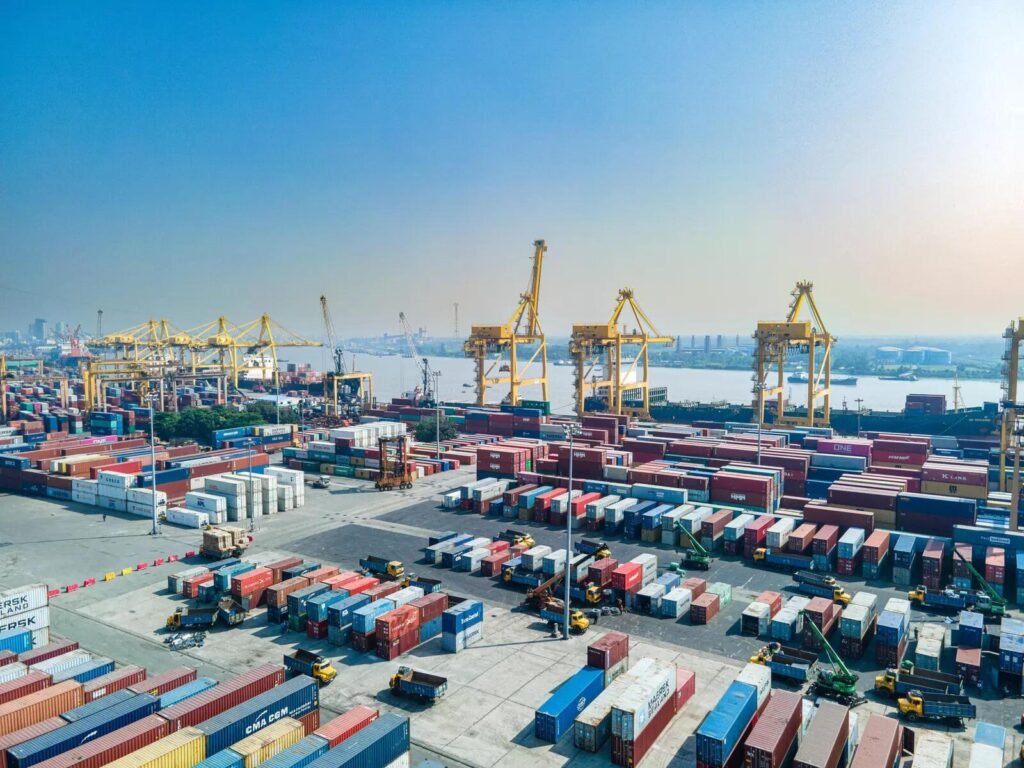
Types of Non-Tariff Measures in India
India applies various categories of NTMs depending on the nature of goods and applicable regulations.
Major types include:
| Type of NTM | Purpose |
|---|---|
|
Sanitary and Phytosanitary (SPS) Measures |
Protect human, animal, and plant health from diseases and contaminants. |
|
Technical Barriers to Trade (TBT) |
Ensure products meet technical standards, safety, and quality requirements. |
|
Import Licensing |
Require prior approval before importing specified products. |
|
Quality Standards and Certification |
Require compliance with BIS and other regulatory standards. |
|
Packaging and Labelling Requirements |
Ensure products carry mandatory information for consumers and regulators. |
These measures vary depending on the product category and applicable government regulations.
Example of Non-Tariff Measures in India
India applies several Non-Tariff Measures across different sectors. For example, imported electronic products may require BIS certification, imported food products must comply with FSSAI regulations, and agricultural imports may require Plant Quarantine clearance before entering the Indian market. These measures help ensure safety, quality, and regulatory compliance for products sold in India.
-
BIS certification for electronics and consumer products.
-
FSSAI approval for imported food products.
-
Plant Quarantine clearance for agricultural imports.
-
Mandatory labelling requirements for packaged goods.
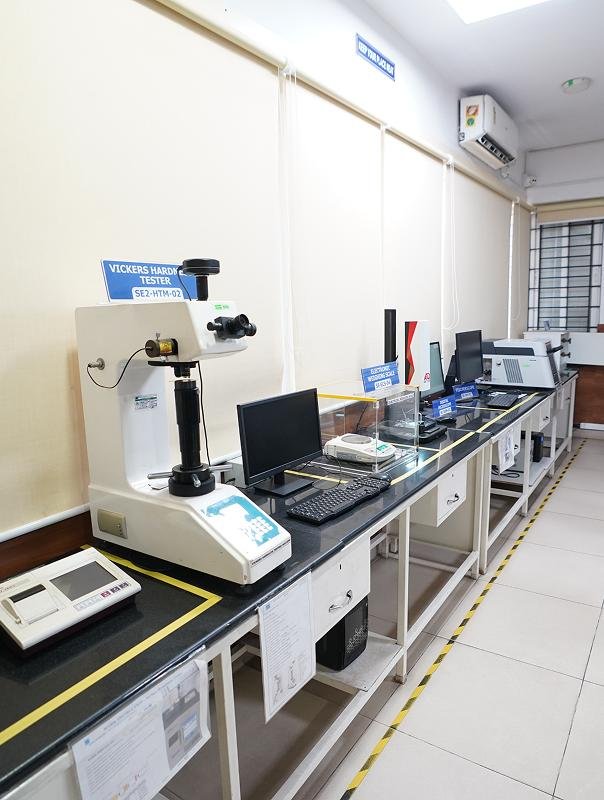
Difference Between NTMs and NTBs
Non-Tariff Measures (NTMs) are a broad category of regulations such as standards, certification, SPS, TBT, licensing, and labelling. Non-Tariff Barriers (NTBs) are measures that become unnecessarily restrictive or discriminatory and create avoidable barriers to trade. Not every NTM is a trade barrier.
Sanitary and Phytosanitary (SPS) Measures Explained
SPS measures are designed to protect people, animals, and plants from health risks associated with imported goods.
Examples include:
-
Food safety standards.
-
Plant quarantine requirements.
-
Animal health certifications.
-
Maximum residue limits for agricultural products.
Businesses dealing with food, agriculture, dairy, seafood, and pharmaceuticals often need SPS compliance before importing or exporting products.

Technical Barriers to Trade (TBT) Measures Explained
Technical Barriers to Trade (TBT) refer to technical regulations, conformity assessment procedures, and product standards that imported goods must satisfy.
Examples include:
-
BIS certification.
-
Product testing requirements.
-
Energy efficiency standards.
-
Electrical safety standards.
-
Quality certification procedures.
TBT measures help ensure that products entering the Indian market meet required technical and safety standards.
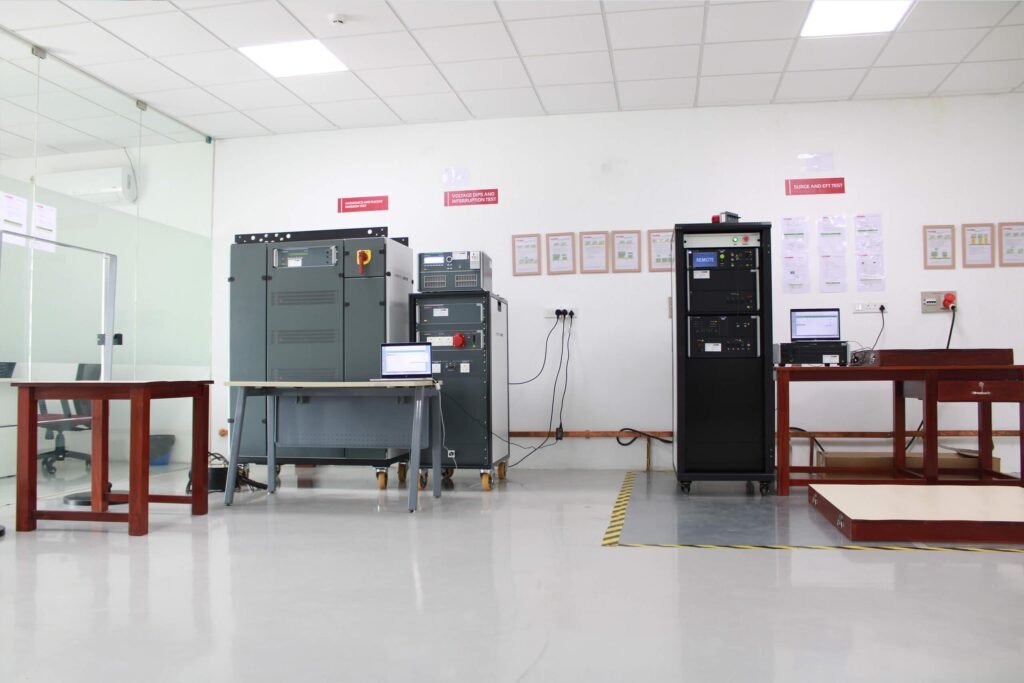
Non-Tariff Measures Compliance Process
Businesses typically follow a structured compliance process before importing or exporting regulated products.
Compliance Flow
| Step | Explanation |
|---|---|
|
Product Identification |
Determine whether the product is subject to specific Non-Tariff Measures. |
|
Applicable Regulations |
Identify the relevant standards, certifications, or licensing requirements. |
|
Testing & Certification |
Obtain product testing reports and mandatory certifications where required. |
|
Documentation & Compliance |
Prepare declarations, certificates, labelling, and supporting documents. |
|
Import or Export Clearance |
Submit compliant documentation for customs clearance and regulatory approval. |
A proper compliance process helps businesses reduce delays and avoid regulatory non-compliance during cross-border trade.
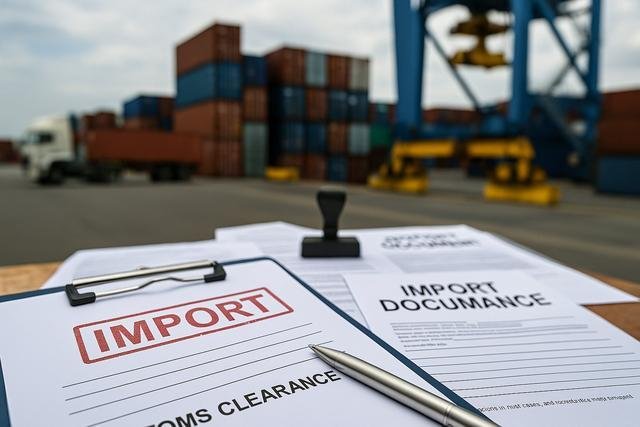
Legal Framework Governing NTMs in India
Non-Tariff Measures in India are implemented through various laws, regulations, and government authorities depending on the product category. These measures operate within India's commitments under the World Trade Organization (WTO) agreements relating to technical regulations and sanitary measures.
Compliance Flow
-
Directorate General of Foreign Trade (DGFT).
-
Bureau of Indian Standards (BIS).
-
Food Safety and Standards Authority of India (FSSAI).
-
Plant and Animal Quarantine Authorities.
-
Customs Authorities.
Businesses should identify the applicable regulatory authority before importing or exporting regulated goods.

Impact of Non-Tariff Measures on Businesses
Non-Tariff Measures can significantly influence international trade operations across multiple industries.
For Importers
Importers must ensure products comply with certification, labelling, testing, and licensing requirements before customs clearance.
For Domestic Manufacturers
Manufacturers may need to modify products, packaging, or documentation to comply with domestic and international regulatory standards.
For Exporters
Exporters should understand destination-country NTMs to avoid shipment rejection or delays.
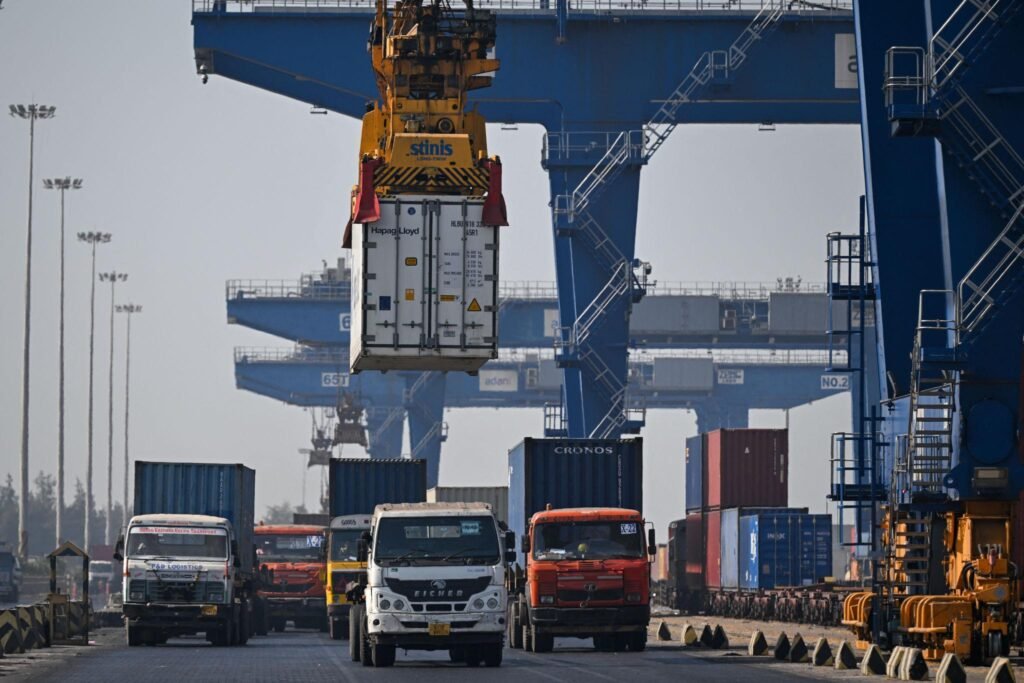
Timely compliance with NTMs helps businesses improve supply chain efficiency and reduce regulatory risks.
Why Businesses Should Monitor Non-Tariff Measures
Regulatory requirements evolve regularly across industries and countries. Businesses that monitor Non-Tariff Measures can better manage import planning, export documentation, product compliance, and market access.
Understanding NTMs enables businesses to:
-
Reduce customs delays.
-
Minimize compliance risks.
-
Improve international market access.
-
Maintain product quality and regulatory standards.
How Vidhi Veritas LLP Assists Businesses
Vidhi Veritas LLP provides strategic legal and regulatory advisory services on Non-Tariff Measures and international trade compliance.
Our Expertise Includes
-
Advisory on Non-Tariff Measures applicable to imports and exports.
-
BIS, FSSAI, DGFT, and regulatory compliance guidance.
-
Import licensing and product certification advisory.
-
Technical standards and conformity assessment support.
-
Customs compliance and trade facilitation advisory.
-
Regulatory risk assessment for domestic and international businesses.
-
Representation in trade and regulatory compliance matters.
-
Strategic advisory on cross-border trade regulations and market access.
Our team helps businesses understand and comply with India's evolving regulatory framework while supporting efficient and legally compliant international trade operations.
Conclusion
Non-Tariff Measures have become an integral part of modern international trade. While they are designed to protect public interest and maintain product standards, they also create important compliance obligations for businesses engaged in imports and exports.
Understanding the applicable Non-Tariff Measures, regulatory authorities, and compliance requirements helps businesses navigate India's evolving trade framework more effectively and maintain smooth cross-border operations.
Vidhi Veritas LLP offers end-to-end legal support in Safeguard, Customs Advisory, Trade Remedies, Regulatory Compliance, and International Trade Law, helping businesses navigate complex trade regulations with confidence.
Frequently Asked Questions (FAQs)
Non-Tariff Measures are government regulations, standards, certifications, licensing requirements, and other policy measures that affect international trade without imposing customs tariffs.
No. Customs duties are taxes imposed on imported goods, while NTMs regulate imports and exports through standards, certifications, licensing, and compliance requirements.
Food products, agricultural goods, pharmaceuticals, electronics, chemicals, machinery, textiles, and consumer products are commonly subject to various Non-Tariff Measures.
Different authorities regulate NTMs depending on the product category, including DGFT, BIS, FSSAI, Customs Authorities, and quarantine authorities.
Compliance helps businesses avoid customs delays, shipment rejection, penalties, product recalls, and regulatory non-compliance while facilitating smoother international trade.
Need Legal Guidance?
Trusted Counsel. Strategic Advice. Effective Representation.
Whether you need legal advice, dispute resolution, or representation, our team is ready to help you understand your options and take the right legal steps.