
Safeguard Measures in India
A Complete Guide for Businesses, Importers & Exporters | Vidhi Veritas LLP
Protecting Domestic Industries from Import Surges
Introduction
Global trade offers businesses access to international markets, but a sudden surge in imports can sometimes threaten domestic industries. When imports increase rapidly and cause serious injury to local manufacturers, governments may introduce Safeguard Measures as a temporary trade remedy.
Unlike Anti-Dumping Duty, safeguard measures do not require proof of unfair pricing or foreign subsidies. Instead, they are designed to provide temporary protection to domestic industries facing unexpected import surges while allowing them time to adjust and remain competitive.
For manufacturers, importers, exporters, and businesses involved in international trade, understanding safeguard measures is essential for ensuring compliance with India's trade remedy framework.

What Are Safeguard Measures?
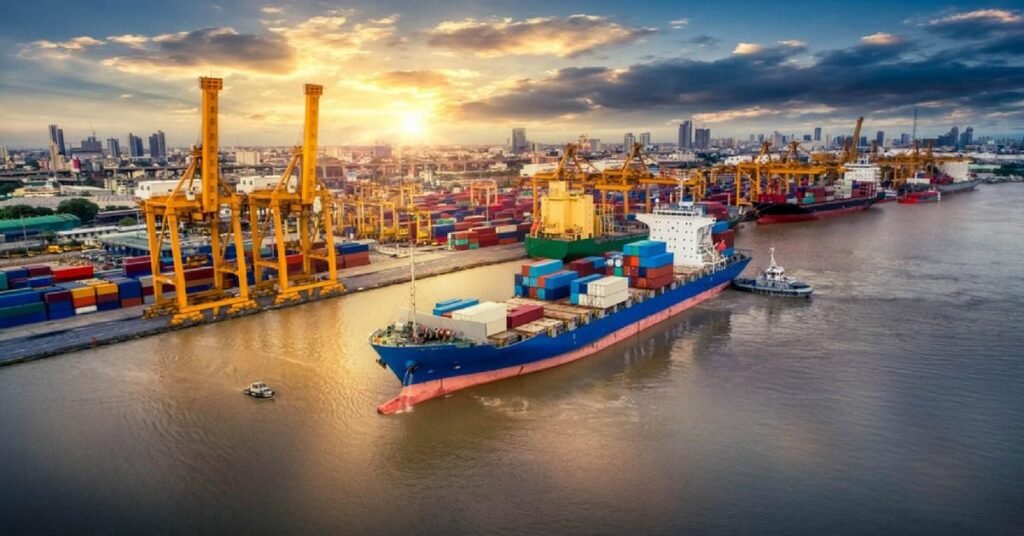
Safeguard Measures are temporary trade protection measures imposed by the Government of India when a product is imported in such increased quantities that it causes or threatens to cause serious injury to the domestic industry producing similar goods.
These measures are intended to restore fair market conditions by giving domestic producers time to improve productivity, restructure operations, and compete effectively.
Key objectives of safeguard measures include:
Protecting domestic industries from sudden import surges.
Preventing serious injury to Indian manufacturers.
Allowing industries time for adjustment and modernization.
Maintaining a balanced and competitive trade environment.
When Can Safeguard Measures Be Imposed?
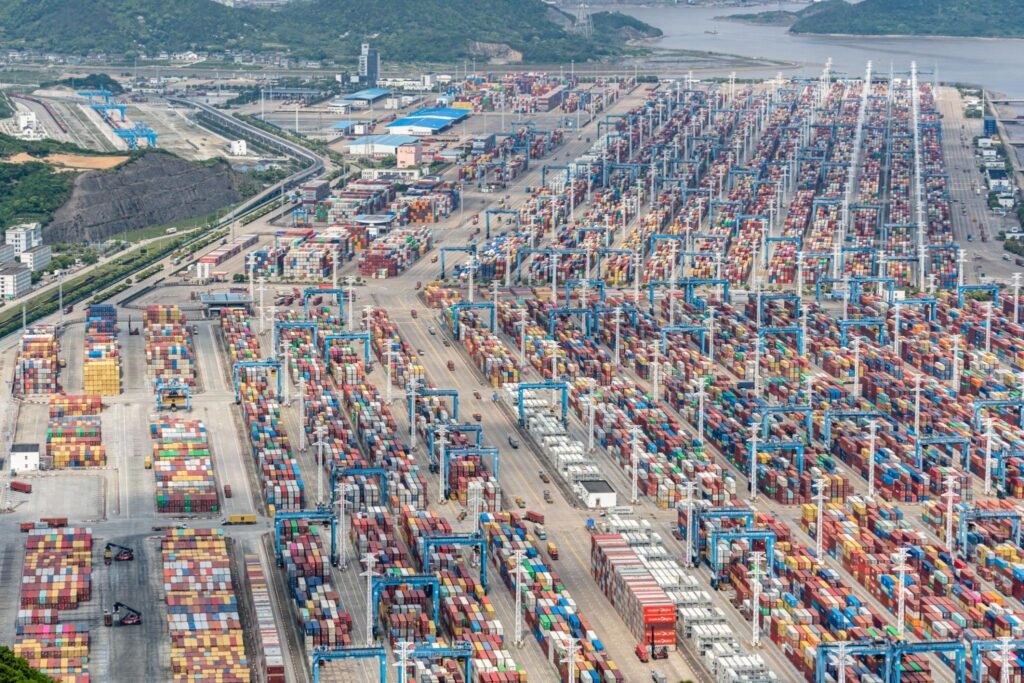
Safeguard Measures are not imposed on every increase in imports. Indian authorities examine whether imports have increased significantly and whether those imports have caused serious injury to domestic producers.
Safeguard Measures may be considered when:
Imports increase rapidly in absolute or relative terms.
Domestic manufacturers experience declining production or sales.
Market share shifts significantly due to imported products.
Employment, profitability, or capacity utilization is adversely affected.
The investigation focuses on the impact of increased imports rather than unfair trade practices.
How Are Safeguard Measures Different from Anti-Dumping Duty?
Although both are trade remedies, safeguard measures and anti-dumping duty address different situations.
| Safeguard Measures | Anti-Dumping Duty |
|---|---|
|
Applied when imports increase suddenly. |
Applied when goods are dumped below normal value. |
|
No need to prove unfair pricing. |
Requires proof of dumping and injury. |
|
Temporary protection for domestic industry. |
Remedy against unfair pricing practices. |
|
Focuses on serious injury caused by import surge. |
Focuses on injury caused by dumped imports. |
This distinction is important for businesses involved in imports because the legal basis and investigation process differ.

Investigation Process for Safeguard Measures in India
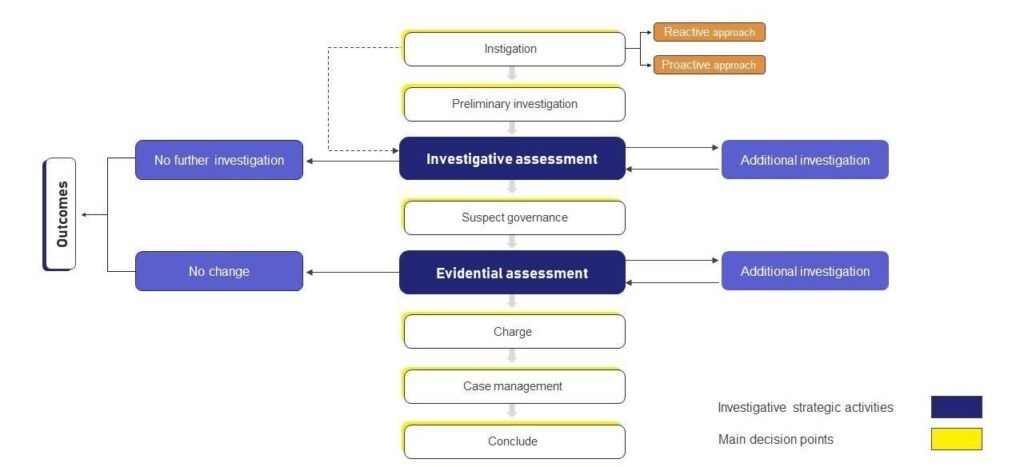
Authorities follow a structured investigation before recommending safeguard measures. The process ensures transparency and provides all interested parties an opportunity to participate.
| Step | Explanation |
|---|---|
|
Application by Domestic Industry |
Domestic producers submit evidence showing increased imports and serious injury. |
|
Preliminary Examination |
Authorities review whether sufficient evidence exists to initiate an investigation. |
|
Formal Investigation |
Import data, market conditions, and industry performance are examined. |
|
Public Consultation |
Importers, exporters, and other stakeholders may submit comments and evidence. |
|
Recommendation & Notification |
If serious injury is established, safeguard measures may be recommended and notified by the Government of India. |
The investigation follows the legal procedures prescribed under India's safeguard framework.
Legal Framework for Safeguard Measures in India
Safeguard Measures in India are governed by the Customs Tariff Act, 1975 and the Customs Tariff (Identification and Assessment of Safeguard Duty) Rules, 1997. These provisions enable the Government of India to impose temporary safeguard duties after determining that increased imports have caused serious injury to domestic producers. The framework is also aligned with India's commitments under the World Trade Organization (WTO) Agreement on Safeguards.
The legal framework ensures that safeguard measures are:
Temporary in nature.
Evidence-based.
Applied after a transparent investigation.
Consistent with international trade obligations.
The investigation focuses on the impact of increased imports rather than unfair trade practices.

Impact of Safeguard Measures on Businesses
Safeguard Measures can influence business operations across industries involved in international trade.
For Importers
Importers may face additional safeguard duties on specific products during the safeguard period, affecting sourcing costs and pricing strategies.
For Domestic Manufacturers
Domestic industries receive temporary protection against import surges, allowing time to improve competitiveness and stabilize operations.
For Exporters
Foreign exporters may experience reduced market access during the safeguard period and should monitor safeguard investigations affecting their products.
Why Safeguard Measures Matter in International Trade
Safeguard Measures play an important role in balancing trade liberalization with domestic industry protection. They are intended to address exceptional situations where sudden import growth disrupts the domestic market, without targeting unfair pricing or subsidies.
For businesses, timely awareness of safeguard investigations and government notifications helps reduce compliance risks and supports informed trade decisions.

How Vidhi Veritas LLP Assists Businesses
Vidhi Veritas LLP provides comprehensive legal and strategic advisory services on safeguard measures, customs law, and international trade regulations. We assist businesses in navigating safeguard investigations, regulatory compliance, and trade remedy proceedings before the relevant authorities.
Our Expertise Includes
Advisory on safeguard investigations and safeguard duty proceedings.
Preparation and filing of safeguard petitions for domestic industries.
Representation for manufacturers, importers, exporters, and industry associations during safeguard investigations.
Analysis of import trends, injury assessment, and trade data.
Assistance with submissions, evidence preparation, and stakeholder participation during investigations.
Advisory on safeguard duty notifications and regulatory compliance.
Customs Advisory & Trade Facilitation for businesses affected by safeguard measures.
Litigation and appellate support in trade remedy and customs-related disputes.
Our team works closely with businesses across sectors to deliver practical, legally sound, and commercially effective solutions in India's evolving trade remedy framework.
Conclusion
Safeguard Measures play an important role in balancing trade liberalization with domestic industry protection. They are intended to address exceptional situations where sudden import growth disrupts the domestic market, without targeting unfair pricing or subsidies.
For businesses, timely awareness of safeguard investigations and government notifications helps reduce compliance risks and supports informed trade decisions.
Vidhi Veritas LLP offers end-to-end legal support in Safeguard, Customs Advisory, Trade Remedies, Regulatory Compliance, and International Trade Law, helping businesses navigate complex trade regulations with confidence.
Frequently Asked Questions (FAQs)
Safeguard measures are temporary trade protection measures imposed when increased imports cause or threaten serious injury to a domestic industry.
No. Safeguard measures address sudden import surges, whereas anti-dumping duty addresses unfairly priced imports sold below their normal value.
Safeguard measures are governed by the Customs Tariff Act, 1975 and the Customs Tariff (Identification and Assessment of Safeguard Duty) Rules, 1997.
No. They are temporary measures and are generally imposed for a limited period, subject to review under the applicable legal framework.
Importers, exporters, manufacturers, distributors, and businesses dealing with products covered under safeguard investigations or safeguard duty notifications may be affected.
Need Legal Guidance?
Trusted Counsel. Strategic Advice. Effective Representation.
Whether you need legal advice, dispute resolution, or representation, our team is ready to help you understand your options and take the right legal steps.